Buying in Conservation Areas: Rules, Restrictions and What You Need to Know
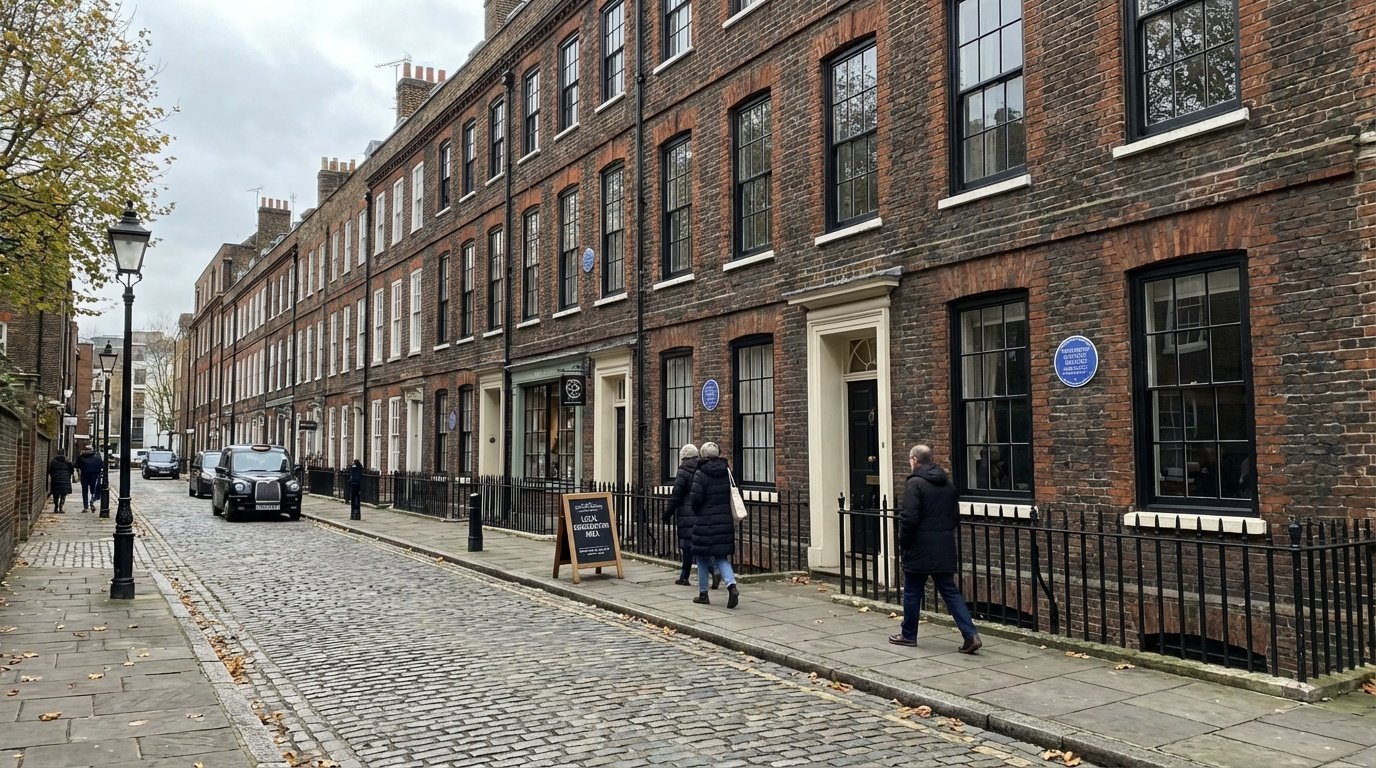
Table of Contents
Over 1,000 conservation areas across London protect the capital's most cherished architectural heritage. If you're considering buying property in one of these protected zones, you're acquiring more than a home—you're becoming a custodian of an area deemed of "special architectural or historic interest." While conservation status brings prestige and protection, it also imposes significant restrictions that every buyer must understand before committing.
Our RICS surveyors regularly assess properties in London's conservation areas, from Georgian squares in Westminster to Victorian terraces in Hackney. This guide explains exactly what conservation area designation means for property owners, what you can and cannot do, and how restrictions affect both renovation costs and property values.
What Are Conservation Areas?
Conservation areas are designated by local planning authorities under the Planning (Listed Buildings and Conservation Areas) Act 1990. They identify areas where the combined architectural and historic environment creates special character worth preserving and enhancing.
Key Facts About Conservation Areas
- Over 1,000 conservation areas across London's 32 boroughs
- Each has unique character: Georgian squares, Victorian suburbs, industrial heritage, riverside locations
- Individual buildings don't need to be listed - it's the collective environment that matters
- Designation varies by council: Each local authority manages its own conservation areas with specific guidance
- Boundaries can be extended or amended as areas evolve
Conservation Area vs Listed Building
Conservation area: Protects the character of an entire area. Individual buildings may not be listed but collectively create special character.
Listed building: Specific building of special architectural or historic interest, individually protected. Can be IN or OUTSIDE conservation areas.
Important: Some properties are BOTH in conservation areas AND individually listed - facing double restrictions!
What Conservation Status Aims to Protect
Conservation areas typically protect:
- Architectural coherence and street scenes
- Historic building materials and features
- Trees and green spaces
- Views and vistas of significance
- The relationship between buildings and public spaces
- Historic street patterns and layouts
The goal is preserving an area's special character for future generations while allowing sympathetic change and development.
Planning Restrictions: What You Cannot Do Without Permission
Conservation area status removes many "permitted development rights" that normally allow homeowners to make alterations without planning permission.
External Alterations Requiring Planning Permission
Lost Permitted Development Rights
In conservation areas, you generally need planning permission for:
- Roof alterations: Changing roof pitch, adding dormer windows, installing rooflights (even on rear elevations)
- Cladding: Adding render, stone cladding, timber boarding, or tile hanging to external walls
- Chimneys: Removing or significantly altering chimneys
- Satellite dishes: Installing on front elevations or visible from street
- Front elevations: Any alterations to doors, windows, porches on street-facing façades
- Extensions: Stricter size limits than standard permitted development
- Outbuildings: Sheds, garages, summer houses over certain sizes
- Hard standings: Creating driveways or paving over front gardens beyond limits
Additional Restrictions
- Demolition: Cannot demolish buildings or walls over specified sizes without "Conservation Area Consent"
- Trees: Must give 6 weeks' notice before pruning or felling trees (even on your property)
- Windows: Replacing windows often requires planning (especially front elevations), must match original style
- UPVC: Many councils refuse UPVC windows in conservation areas, requiring timber alternatives
Article 4 Directions (Extra Restrictions)
Some conservation areas have "Article 4 Directions" removing even MORE permitted development rights:
Article 4 Direction Areas
Properties under Article 4 Directions may need planning permission for:
- Painting exterior walls or brickwork
- Replacing ANY windows (even identical replacements)
- Changing roof materials
- Installing solar panels
- Minor extensions that would normally be permitted
- Satellite dishes anywhere on property
Check with your local council whether Article 4 applies to your property - restrictions vary significantly.
What You CAN Do Without Planning Permission
Not everything requires permission, even in conservation areas:
Internal Works (Generally Permitted)
- Internal alterations (unless building is also listed)
- Installing new kitchens and bathrooms
- Rewiring and replumbing
- Removing or adding internal walls (subject to building regulations)
- Loft conversions (if no external alterations visible)
Good News for Renovators
Conservation areas mainly control external appearance. Interior renovations are usually unrestricted, giving flexibility for modernization while preserving street character.
Small External Works (Often Permitted)
Depending on specific conservation area rules:
- Minor repairs using matching materials
- Repainting in same/similar colors (unless Article 4 applies)
- Small rear extensions (within strict size limits)
- Small porches (under 3m², more than 2m from boundary)
- Garden structures under height limits (not forward of front wall)
Always check with planning department BEFORE starting work - assumptions about "minor" works cause most compliance problems.
The Planning Application Process in Conservation Areas
Timeline and Costs
| Application Type | Cost | Decision Time |
|---|---|---|
| Householder Planning Application | £258 (2025) | 8 weeks |
| Listed Building Consent (if also listed) | £258 | 8 weeks |
| Pre-application Advice | £100-£300 | 2-4 weeks |
| Conservation Area Consent (demolition) | £258 | 8 weeks |
Key Steps
- Pre-application consultation (highly recommended - £100-£300 but prevents refusals)
- Prepare detailed plans showing proposed changes and materials
- Submit application with supporting heritage statement if required
- Neighbor consultation period (21 days - expect objections to be considered)
- Council assessment against conservation area character
- Decision (8 weeks standard, can be longer for complex cases)
Top Planning Tips
- Use conservation officers' pre-app service - they advise on what will/won't be approved
- Reference similar approved applications in your area
- Emphasize "preserving or enhancing" conservation character
- Use traditional materials matching existing
- Provide high-quality drawings and heritage statements
- Be prepared to amend plans following feedback
Renovation Challenges and Costs
Material Requirements Drive Up Costs
Conservation areas often mandate traditional materials:
- Windows: Timber sash windows instead of UPVC (£800-£1,500 per window vs £400-£600 UPVC)
- Roof materials: Natural slate or clay tiles instead of concrete (£100-£150 per m² vs £40-£60)
- Brickwork: Lime mortar instead of cement for repointing (£70-£100 per m² vs £40-£60)
- Doors: Traditional timber doors (£1,500-£3,000 vs £500-£800 modern)
- Rainwater goods: Cast iron instead of plastic (£800-£1,500 vs £200-£400)
Specialist Tradespeople Required
Heritage-appropriate work requires specialists:
- Traditional joiners for sash windows
- Lime mortar specialists
- Roofing contractors experienced with slate/clay tiles
- Ironwork specialists for railings
- Premium pricing: Heritage specialists charge 20-40% more than standard contractors
Planning and Delays
- 8+ weeks for planning decisions (vs starting work immediately)
- Risk of refusal: Plans may need revision, resubmission (more time and cost)
- Conditions: Approvals often come with specific material/method conditions
Budget Reality Check
Typical conservation area renovation premium: 20-35% higher than equivalent non-conservation property due to materials, specialists, and planning costs.
Example: Replacing all windows in 3-bed Victorian terrace: £8,000-£12,000 conservation area vs £4,000-£6,000 standard property.
Case Study: Victorian House Renovation in Conservation Area
Islington Victorian Terrace - Barnsbury Conservation Area
Property: 3-bedroom Victorian terrace, Article 4 Direction applies
Purchase Price: £1.2 million
Planned Works: Full renovation with rear extension
Conservation Challenges:
- Windows: All front sash windows needed replacing. Council required exact replicas in timber with slim glazing bars. Cost: £15,000 (vs £6,000 UPVC)
- Front door: Replacing modern door with Victorian-style 4-panel timber. Cost: £3,200 including ironmongery
- Roof: Natural Welsh slate mandatory (council rejected cheaper alternative). Cost: £22,000
- Rear extension: Planning required (would be permitted dev elsewhere). Traditional materials, specific design. Architect fees: £8,000. Planning application: £258. Time: 12 weeks approval
- Brickwork repointing: Lime mortar only. Cost: £12,000 (vs £6,000 cement)
Conservation Premium: £44,000 additional cost vs non-conservation equivalent
Time Premium: 4 months additional (planning + specialist availability)
Positives:
- Property retains authentic character
- Conservation status prevents neighbors' damaging alterations
- Premium on resale (conservation area properties command 5-10% premium)
- Personal satisfaction of quality restoration
Owner's Verdict: "The extra cost and planning hassle were frustrating, but we now have a beautiful authentic Victorian home in a protected street. Knowing our neighbors can't install UPVC or render over bricks makes it worthwhile. Our survey highlighting these costs upfront meant no nasty surprises."
Benefits of Conservation Area Properties
Despite restrictions, conservation area properties offer significant advantages:
1. Protection from Unsympathetic Development
Your neighbors face the same restrictions, protecting street character and your property value from:
- UPVC windows and plastic doors
- Inappropriate extensions visible from street
- Demolition of character buildings
- Removal of historic features
2. Premium Property Values
Conservation area properties typically command:
- 5-10% premium over equivalent non-conservation properties
- Better value retention in downturns
- Appeal to buyers valuing character and protection
3. Prestige and Desirability
- Association with historic, attractive neighborhoods
- Generally well-maintained streetscapes
- Often coincide with good schools and amenities
- Strong community identity and pride
4. Mature Trees and Green Spaces
Tree protection means conservation areas often have:
- Mature street trees (cannot be removed without permission)
- Protected green spaces
- Front gardens retained (not converted to parking)
Investment Perspective
While renovation costs more, conservation area properties generally outperform market averages long-term. Protection from neighboring inappropriate alterations preserves collective value.
How Our RICS Surveys Assess Conservation Area Properties
When surveying properties in conservation areas, our RICS surveyors provide specific advice:
Conservation-Specific Survey Elements
- Identify original features: Sash windows, fireplaces, moldings, doors worth preserving
- Material assessment: Traditional materials requiring specialist maintenance
- Planning likelihood: Advice on what changes likely to gain approval
- Cost estimates: Conservation-appropriate repair and renovation costs
- Restriction implications: How conservation status affects renovation plans
- Article 4 check: Whether additional restrictions apply
Common Issues in Conservation Properties
- Inappropriate past alterations: UPVC windows, cement repointing requiring correction
- Deferred maintenance: Owners avoiding expensive traditional repairs
- Hidden alterations: Works done without permission creating compliance issues
- Enforcement notices: Outstanding breaches requiring rectification
Survey Recommendation
For conservation area properties, we recommend Level 3 Building Survey. The comprehensive inspection and advice on traditional construction, appropriate repairs, and planning considerations justify the additional cost (£600-£900 vs £400-£600 Level 2).
Frequently Asked Questions
How do I find out if a property is in a conservation area?
Check your local council's website - most have interactive maps showing conservation area boundaries. You can also:
- Search council's planning portal using property address
- Request "Local Land Charges Search" (included in conveyancing)
- Call council planning department
- Check Historic England website for listed buildings and conservation areas
Always verify BEFORE making offers - conservation status significantly affects renovation potential and costs.
Can I install double glazing in a conservation area?
Yes, BUT with restrictions:
- Often requires planning permission for front elevations
- Must be slim-profile double glazing in timber frames (not UPVC)
- Must match original window style (e.g., sash windows, glazing bar patterns)
- Some councils require secondary glazing instead of replacements
Cost: Conservation-appropriate double-glazed sash windows £1,000-£1,800 per window vs £400-£600 standard UPVC.
What happens if I do work without permission?
Unauthorized works in conservation areas can result in:
- Enforcement notice: Council can require removal/reversal of work
- Prosecution: Fines up to £20,000 for unauthorized conservation area works
- Retrospective application: May be possible but no guarantee of approval
- Sale problems: Solicitors will identify unauthorized works, affecting saleability
- Insurance issues: Buildings insurance may be void for non-compliant works
Always get permission BEFORE starting work. The cost of retrospective removal far exceeds planning fees.
Does being in a conservation area affect property insurance?
Generally minimal impact on standard buildings insurance. However:
- Some insurers charge small premium (5-10%) for older properties
- Rebuild costs may be higher (traditional materials/methods)
- Specialist heritage insurers available for high-value/unusual properties
- Disclose conservation status when getting quotes
Main insurance considerations relate to property age and construction type, not conservation status itself.
Can I build an extension in a conservation area?
Yes, but planning permission required. Key factors:
- Rear extensions: More likely to be approved (less visible from street)
- Side extensions: Difficult to get approved (affects street scene)
- Front extensions: Rarely approved
- Design: Must be "sympathetic" to existing - matching materials, subservient scale
- Pre-app advice essential: Conservation officers guide on acceptable designs
Tip: Modern glass extensions onto rear often approved as clearly "contemporary" rather than fake-historic.
Do conservation area properties sell for more?
Generally yes - conservation area properties typically command:
- 5-10% premium over equivalent non-conservation properties
- Stronger buyer demand (character, protection, prestige)
- Better value retention in market downturns
However, poorly maintained or inappropriately altered conservation properties can underperform - buyers aware of costs to correct issues.
Premium strongest in: desirable neighborhoods, well-maintained streets, areas with strong architectural coherence.
What's an Article 4 Direction?
Article 4 Directions remove additional permitted development rights in particularly sensitive conservation areas. Properties under Article 4 may need planning permission for:
- Painting exterior walls
- Replacing windows (even like-for-like)
- Changing roof materials
- Installing solar panels
- Any alterations to doors, windows, rooflines
Check with council whether Article 4 applies - it significantly increases restrictions and planning costs. Not all conservation areas have Article 4 Directions.
Should I avoid buying in a conservation area?
No - if you understand the implications:
Buy conservation area property IF:
- You value historic character and architectural heritage
- Budget accommodates 20-35% higher renovation costs
- You're prepared for planning process (8+ weeks decisions)
- Property doesn't need major external alterations
- You want protection from neighbors' inappropriate changes
Avoid IF:
- Planning major external changes (extensions, roof alterations)
- Tight renovation budget requiring cheaper materials
- You want quick, unrestricted alterations
- Property needs extensive external repairs (costs significantly higher)
Top Tips for Conservation Area Property Buyers
Essential Checklist
- Verify conservation status: Check council website before viewing
- Check for Article 4: Identify if additional restrictions apply
- Review conservation area appraisal: Council documents explain protected character
- Assess renovation needs: Estimate costs using conservation-appropriate materials
- Check planning history: Previous applications show what council approves/refuses
- Identify inappropriate alterations: UPVC windows, cement pointing may need correction
- Commission Level 3 survey: Get expert advice on traditional construction
- Pre-app consultation: Before buying, ask council about planned changes
- Budget 25-35% extra: For conservation-appropriate renovations
- Find specialist contractors: Heritage tradespeople before committing
- Check for enforcement notices: Outstanding breaches affecting property
- Consider long-term ownership: Conservation properties reward patient owners
Red Flags to Watch For
- Seller mentions "just needs cosmetic updates" (may need expensive traditional materials)
- UPVC windows on conservation property (may require replacement with timber)
- Recent extensions/alterations without planning permission
- Cement repointing on historic brickwork (lime mortar required)
- Property significantly different from neighbors (may indicate unauthorized works)
- Deferred maintenance (catching up expensive with traditional materials)
Need a Conservation Area Property Survey?
Our RICS surveyors have extensive experience with conservation area properties across London. We'll assess traditional construction, identify appropriate repair methods, advise on planning implications, and provide realistic cost estimates for conservation-compliant renovations.
Book Your Conservation Area SurveyLevel 3 surveys from £600 | Heritage property expertise | Detailed planning advice