Complete Guide to Surveying Listed Buildings in London
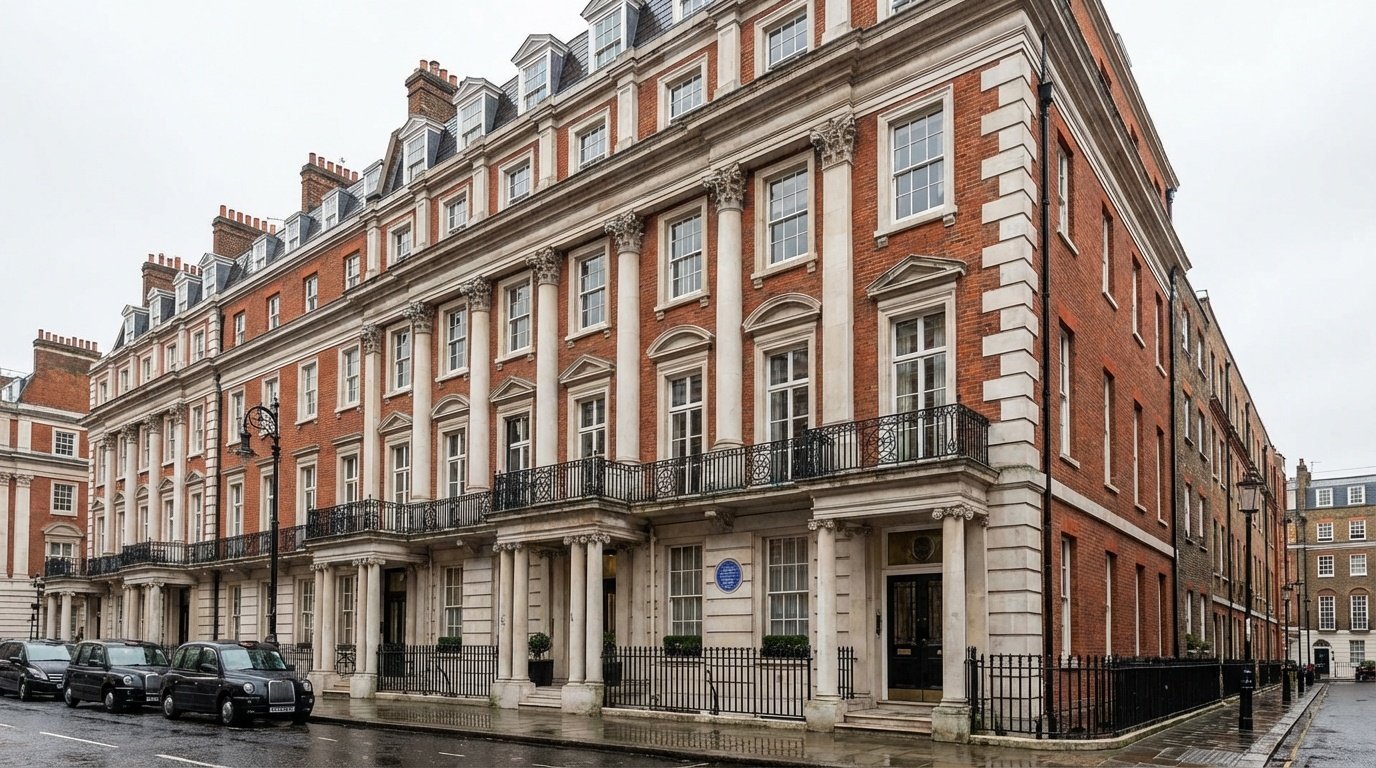
Table of Contents
Listed buildings in London require special surveying expertise from chartered surveyors who understand historic construction methods and conservation principles. Our RICS surveyors specialize in heritage properties across the capital, providing detailed reports that help homebuyers make informed decisions about these unique buildings.
18,000+
Listed Buildings in London
3 Grades
Protection Levels
Level 3
Recommended Survey
London has over 18,000 listed buildings, from grand Georgian townhouses to Victorian terraces and medieval structures. These properties offer incredible character and history, but they also come with unique challenges that make a professional building survey absolutely essential. Standard Level 2 surveys simply aren't detailed enough for listed properties—you need expert surveyors who specialize in historic buildings.
What Makes a Building "Listed"?
A listed building is one that's been placed on the Statutory List of Buildings of Special Architectural or Historic Interest. Historic England maintains the list, identifying buildings worth protecting for future generations. In London, you'll find listed buildings in every borough, from the grand houses of Kensington to workers' cottages in Hackney.
The Three Grades of Listed Buildings:
Grade I (2.5% of listings)
Buildings of exceptional interest. Think St Paul's Cathedral, the Tower of London, or exceptional Georgian mansions. These are nationally important structures.
Grade II* (5.8% of listings)
Particularly important buildings of more than special interest. Many significant London townhouses, churches, and public buildings fall into this category.
Grade II (91.7% of listings)
Buildings of special interest. This includes most listed residential properties that homebuyers encounter—Victorian terraces, Georgian houses, Edwardian villas, and interesting 20th-century buildings.
Important: The grade affects what alterations you can make, but all listed buildings require Listed Building Consent for most changes. Our chartered building surveyors help clients understand these restrictions before they buy a property.
Why Listed Buildings Need Level 3 Building Surveys
Critical Warning
Never buy a listed building with just a basic valuation or Level 2 survey. Listed buildings have unique construction methods, materials, and potential issues that require the comprehensive inspection that only a Level 3 building survey provides.
What Makes Listed Buildings Different:
1. Traditional Construction Methods
Historic buildings were built using techniques vastly different from modern construction. Solid walls (not cavity walls), lime mortar (not cement), traditional timber framing, and handmade materials require specialist knowledge to assess properly.
2. Unique Materials
Listed buildings may contain horsehair plaster, hand-made bricks, oak beams, slate roofing, and period ironwork. Our RICS surveyors understand how these materials age and what defects to look for.
3. Previous Alterations
Many listed buildings have centuries of modifications, not all of them sympathetic or structurally sound. A detailed survey identifies where previous work may have caused problems or where modern materials have been inappropriately used.
4. Maintenance Requirements
Historic buildings need ongoing maintenance using appropriate materials and methods. Our chartered surveyors provide detailed guidance on proper maintenance to protect your investment.
5. Planning Restrictions
Listed building consent affects what repairs and improvements you can make. A comprehensive survey helps you understand the condition of protected features and what work might be needed.
Common Issues in Listed Properties
Our team of London surveyors regularly encounters these issues when surveying heritage buildings:
1. Inappropriate Previous Repairs
One of the biggest problems we see is previous owners or builders using modern materials where traditional ones were needed. Portland cement pointing on brickwork built with lime mortar is a classic example. Cement is harder and less breathable than lime, trapping moisture and causing the bricks themselves to deteriorate.
Real Example: Camden Victorian House
Issue: We surveyed a Grade II listed Victorian house in Camden where someone had repointed the entire front elevation with cement mortar. The facing bricks were crumbling—a phenomenon called "spalling"—because moisture couldn't escape.
Cost to Fix: £25,000 to rake out all the cement and repoint properly with lime mortar.
Lesson: Wrong materials can cause more damage than the original problem.
2. Movement and Settlement
Old buildings move. It's normal. Solid wall construction on shallow foundations means some settlement is expected over centuries. Our expert surveyors distinguish between historic movement (usually stable) and progressive movement (potentially serious).
Signs We Look For:
- Cracking patterns
- Level changes
- Door and window distortion
- Evidence of previous repairs
- Crack monitors when necessary to determine if movement is ongoing
3. Damp Issues
Historic buildings weren't built with damp-proof courses. They were designed to breathe, allowing moisture to evaporate naturally through lime mortar and soft bricks. Problems arise when:
- Modern impermeable materials trap moisture
- Ground levels have risen over centuries
- Ventilation has been reduced
- Inappropriate "damp-proofing" has been installed
Expert Insight: Our RICS surveyors understand historic building construction and know how to identify genuine damp problems from normal moisture behavior in breathable walls. We've seen too many listed buildings damaged by damp-proof courses injected into solid walls that didn't need them.
4. Timber Decay and Infestation
Period properties contain substantial amounts of structural timber: floor joists, roof timbers, lintels, and decorative elements. Our chartered building surveyors check for:
Woodworm
Active infestations can weaken structural timbers
Wet Rot
Caused by excessive moisture, affecting timbers in contact with damp
Dry Rot
A serious fungal attack that can spread through masonry
Structural Weakness
Notched joists, overloaded beams, or inadequate supports
5. Roof Problems
Historic roofs are complex structures, often with multiple layers and alterations over time. Common issues include:
- Original slate roofing reaching the end of its life (100-150 years)
- Inadequate or failed roof valleys
- Movement in roof structures due to timber decay or overloading
- Lead work failures at parapets and chimneys
- Hidden alterations or bodged previous repairs
Cost Consideration
Reroofing a listed building can cost £50,000-£150,000+ because you may need to use matching materials like reclaimed slate or traditional clay tiles. Our detailed surveys help you budget for these significant expenses.
What a Level 3 Survey Covers for Listed Buildings
A Level 3 building survey (formerly called a full structural survey) is comprehensive and detailed. When surveying listed buildings, our chartered building surveyors provide:
External Inspection
- Roof coverings, structure, and rainwater goods
- Walls, pointing, and render
- Windows, doors, and architectural features
- Chimneys, parapets, and decorative elements
- Foundations (where visible)
- Boundary walls and outbuildings
Internal Inspection
- Roof spaces (accessible areas)
- Ceilings, walls, and decorative plasterwork
- Floors and subfloor areas
- Period features: fireplaces, moldings, paneling
- Services: electrical, plumbing, heating
- Dampness testing and identification
- Timber inspection for decay and infestation
What Makes Our Surveys Different
Our RICS surveyors don't just identify problems—we understand the historic context. We know that not every crack is serious, that some movement is normal, and that traditional materials behave differently from modern ones. Our detailed reports explain:
- What problems exist and their likely causes
- Which issues are urgent and which can wait
- Appropriate repair methods using sympathetic materials
- Estimated repair costs to help you budget
- Maintenance advice specific to historic buildings
- Planning implications for listed building consent
The Cost of Surveying Listed Buildings
Level 3 surveys for listed buildings typically cost more than standard surveys because they require more time on site, specialist knowledge of historic construction, more detailed reporting, and often specialist equipment.
| Property Type | Survey Cost | Time Required |
|---|---|---|
| Small period cottage or flat | £800-£1,200 | Half day |
| Medium Victorian or Georgian house | £1,200-£2,000 | Full day |
| Large or complex listed property | £2,000-£4,000+ | 1-2 days |
ROI Perspective: These fees may seem high, but consider that our surveys regularly identify issues costing £20,000-£100,000+ to fix. The survey is the cheapest and most important investment you'll make when buying a listed property.
Real-World Example: Georgian House in Greenwich
Case Study: Grade II Listed Georgian Townhouse
Location: Greenwich, London
Asking Price: £1,200,000
Survey Cost: £1,800
Property: Beautiful Grade II listed Georgian townhouse with period features throughout and recent redecoration
The Good:
- Original features well preserved
- Recent redecoration to a high standard
- Roof in reasonable condition with 15-20 years of life remaining
The Problems We Found:
| 1. Cement Repointing | £35,000 |
| Entire facade repointed with cement mortar, causing brick face spalling | |
| 2. Structural Movement | £15,000 |
| Historic settlement causing significant cracking requiring lime plastering | |
| 3. Damp Cellar | £40,000 |
| Failed tanking system, needs external drainage and breathable limecrete floors | |
| 4. Services | £25,000 |
| 40+ year old electrical installation and failing boiler requiring replacement | |
| 5. Timber Issues | £12,000 |
| Ground floor joists showing wet rot where entering damp walls | |
| TOTAL REPAIRS NEEDED | £127,000 |
The Outcome:
Final Purchase Price: £1,100,000 (negotiated down £100,000)
Survey Cost: £1,800
Net Saving: £98,200
Armed with our detailed survey report, our clients renegotiated the purchase price. They're now addressing the issues properly using appropriate materials and specialist contractors.
Buying a Listed Building: Key Considerations
Important Reality Check: Listed building ownership isn't for everyone. Before you buy a property, consider these factors:
Higher Running Costs
Historic buildings are more expensive to maintain, heat, and insure. Single glazing, solid walls, and no insulation mean higher energy bills.
Restricted Changes
Listed Building Consent is required for most alterations, internal and external. Even minor changes may require formal consent.
Mortgage Challenges
Some lenders won't lend on listed buildings, especially those in poor condition or Grade I properties.
Specialist Insurance
Listed building insurance is more expensive because repairs must use matching materials and specialist tradespeople.
Significant Rewards
You're custodian of a piece of history, living in a home with character that modern properties can never match. Well-maintained listed buildings historically outperform the market.
Frequently Asked Questions
Yes, absolutely. Even Grade II listed buildings (which make up 91.7% of all listings) require specialist surveying. They have unique construction methods, materials, and potential issues that only a Level 3 survey can properly assess. Standard Level 2 surveys are not detailed enough for any listed property.
Typically, a small to medium listed property takes a full day on site. Large or complex properties may require 1-2 days. The report is usually delivered within 5-7 working days. We take the time needed to thoroughly inspect every aspect of the building.
Yes, but not all lenders offer mortgages on listed buildings. Some have restrictions on Grade I properties or buildings in poor condition. Our comprehensive survey reports are accepted by lenders and help demonstrate the property's condition. We recommend speaking to a specialist mortgage broker experienced with listed properties.
You have several options: negotiate a lower price to reflect repair costs, ask the seller to carry out repairs before completion, or walk away if the problems are too extensive. Our survey provides detailed cost estimates that support price negotiations. On average, clients save 10-15% off the asking price after receiving our reports.
Yes. All our RICS chartered surveyors have extensive experience with listed buildings and traditional construction methods. We understand lime mortar, traditional timber framing, historic materials, and conservation principles. We've surveyed hundreds of listed properties across London from all periods.
Our comprehensive reports include: detailed descriptions of all defects, photographs, explanations of causes and consequences, repair recommendations using appropriate materials, estimated costs, maintenance advice, and guidance on Listed Building Consent requirements. We also provide a summary of urgent vs. long-term issues to help you prioritize.
Yes. We work with a network of specialist contractors experienced in historic building repairs across London. We can recommend tradespeople for specific issues identified in the survey, from lime mortar specialists to traditional roofers and timber treatment experts.
Level 3 surveys for listed buildings range from £800-£1,200 for small properties, £1,200-£2,000 for medium Victorian or Georgian houses, and £2,000-£4,000+ for large or complex properties. The cost depends on property size, age, complexity, and access. Consider that our surveys regularly identify £50,000-£100,000+ of hidden issues.
Planning to Buy a Listed Building?
Get a comprehensive Level 3 survey from specialist RICS surveyors who understand historic properties and conservation principles
Book Your Listed Building Survey