Identifying and Treating Damp in London Properties
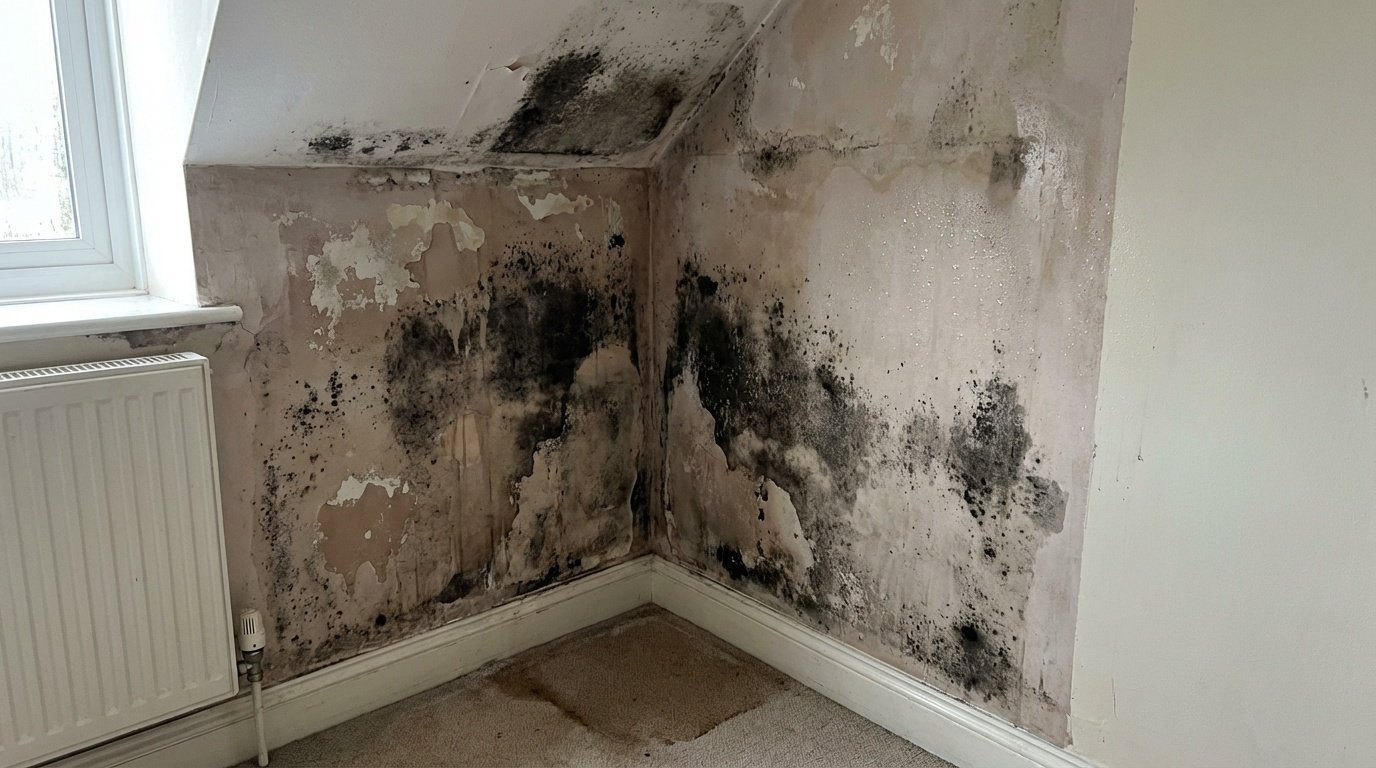
Damp is the most common property defect found by London surveyors during building surveys, affecting thousands of residential properties across the capital. Understanding the different types of damp, how to identify them, and effective treatment options is essential for any homebuyer or property owner.
Our RICS chartered surveyors encounter damp issues in approximately 40% of property surveys we conduct. The good news? Most damp problems are treatable and preventable when addressed correctly. This comprehensive guide explains everything you need to know about damp in London properties.
The Three Types of Damp
When chartered building surveyors assess the condition of a property, we categorize damp into three distinct types. Each has different causes, identification methods, and treatments:
1. Rising Damp
Rising damp occurs when moisture from the ground travels upward through porous building materials via capillary action—similar to water being drawn up through a sponge.
Where it appears: Ground floor walls, typically up to 1 meter (3 feet) high. You'll rarely see rising damp above this height due to the limitations of capillary action.
Common causes:
- Missing or failed damp-proof course (DPC)
- Bridged DPC (soil, debris, or rendering covering the DPC)
- No DPC (common in pre-1875 properties)
- Damaged DPC from building alterations
Identification signs:
- Tide marks on walls showing high water levels
- Peeling or bubbling wallpaper at skirting level
- Crumbling plaster
- Salt deposits (efflorescence) on walls
- Rotting skirting boards
- Musty smell
- Black mould growth
During RICS Level 2 surveys and Level 3 building surveys, our expert surveyors use electronic moisture meters to measure dampness levels and confirm rising damp versus other sources.
2. Penetrating Damp
Penetrating damp happens when water enters a building from outside through defects in the building fabric. Unlike rising damp, it can occur at any height.
Common causes:
- Damaged or blocked gutters and downpipes
- Cracked or porous brickwork
- Failed pointing between bricks
- Defective roof tiles or slates
- Poorly maintained rendering
- Damaged chimney stacks
- Window and door seal failures
- Cracked cavity wall ties
Identification signs:
- Damp patches that worsen during or after rain
- Staining on internal walls
- Mould growth in patches
- Peeling paint or wallpaper
- Deteriorating plaster
Penetrating damp is particularly common in older London homes where maintenance has been neglected. Our surveyors in London pay special attention to period properties where traditional construction methods make them more vulnerable.
3. Condensation
Condensation is the most common form of damp and, fortunately, usually the easiest and cheapest to remedy. It occurs when warm, moisture-laden air meets cold surfaces, causing water droplets to form.
Common causes:
- Inadequate ventilation
- Poor heating
- High moisture generation (cooking, bathing, drying clothes indoors)
- Cold bridges (uninsulated walls, single-glazed windows)
- Blocked air vents
Identification signs:
- Water droplets on windows, especially mornings
- Black mould growth, particularly in corners and behind furniture
- Musty smell in bathrooms and kitchens
- Damp patches on external walls
- Streaming windows
- Worse in winter months
Condensation is a lifestyle issue rather than a building defect, though poor building design can exacerbate it. Our team of RICS surveyors distinguish between condensation and structural damp through careful assessment and moisture testing.
How Surveyors Identify Damp During Property Surveys
When you get a survey done by our chartered building surveyors, we use several methods to detect and diagnose damp:
Visual Inspection
Our surveyors look for tell-tale signs:
- Staining patterns on walls
- Damaged decorations
- Mould growth
- Salt deposits
- Damaged timberwork
- External defects that could allow water ingress
Electronic Moisture Meters
We use calibrated moisture meters to measure water content in walls, floors, and timbers. These give objective readings that confirm or rule out damp issues.
Thermal Imaging (Advanced Surveys)
For comprehensive Level 3 surveys or when requested, thermal imaging cameras reveal hidden dampness by showing temperature variations. Damp areas appear cooler than dry areas.
Contextual Analysis
Experienced surveyors consider:
- Property age and construction type
- Recent weather conditions
- Property maintenance history
- Ventilation levels
- Heating systems
Damp Treatment Costs and Methods
Treatment costs vary dramatically depending on the type and extent of damp. Here's what homebuyers and property owners can expect:
Treating Rising Damp
Chemical Damp-Proof Course Injection
The most common treatment involves injecting a water-repellent chemical into the wall at damp-proof course level.
Process:
- Drill holes at regular intervals along the mortar course
- Inject damp-proofing fluid under pressure
- Remove damaged plaster to 1 meter height
- Re-plaster with sand/cement incorporating waterproofer
- Allow to dry thoroughly before decoration
Cost: £400-£600 per wall for a standard room. Whole house treatment typically costs £1,500-£3,000 depending on property size.
Guarantee: Reputable specialists provide 20-30 year insurance-backed guarantees.
Physical Damp-Proof Course Installation
Less common but more permanent, this involves inserting a physical barrier into the wall.
Cost: £2,000-£5,000+ due to higher labor requirements.
Treating Penetrating Damp
Treatment focuses on fixing the source of water ingress:
Gutter and downpipe repair: £150-£800 depending on extent
Repointing: £30-£50 per square meter
Rendering repair: £40-£70 per square meter
Roof repairs: £200-£2,000 depending on damage
Window seal replacement: £100-£300 per window
Cavity wall insulation removal: If insulation is damp or bridging the cavity, removal costs £500-£2,000
Once the source is fixed, affected plaster may need replacing: £20-£40 per square meter plus decoration costs.
Treating Condensation
Condensation treatment is usually the most affordable:
Improved ventilation:
- Trickle vents in windows: £10-£30 per vent
- Extractor fans: £100-£300 installed
- Passive air vents: £50-£150
- Positive input ventilation (PIV) system: £400-£800 installed
Insulation improvements:
- Loft insulation: £300-£500
- Internal wall insulation: £40-£80 per square meter
- Double glazing: £300-£800 per window
Dehumidifiers: £100-£400 for good quality units
Anti-mould treatments: £50-£150 for professional application
DIY Prevention Strategies
Our professional surveyors recommend these prevention measures to avoid damp problems:
For All Damp Types
- Regular maintenance: Inspect your property twice yearly for defects
- Keep gutters clear: Clean gutters and downpipes every autumn
- Check external walls: Look for cracks, damaged pointing, or deteriorating render
- Maintain ground levels: Ensure soil, paths, or decking sit at least 150mm below the DPC
- Clear debris: Remove plant growth against walls
Preventing Condensation
- Ventilate properly: Open windows when cooking or bathing
- Use extractor fans: Run them during and after moisture generation
- Heat consistently: Maintain even, low-level heating rather than short bursts of high heat
- Dry clothes outside: Or use a vented dryer if drying indoors
- Don't block vents: Keep trickle vents and air bricks clear
- Keep furniture away from external walls: Allow air circulation
- Wipe down condensation: Remove moisture from windows daily
Damp and Property Values
When our RICS registered valuers provide property valuations, damp affects values differently depending on severity:
Condensation only: Minimal impact if easily solved. May reduce value by 0-2%.
Minor damp requiring treatment: Typical reduction of 3-8% to reflect repair costs and negotiation.
Extensive damp with structural implications: Can reduce values by 10-20% depending on extent and treatment required.
Damp with secondary damage: If damp has caused timber decay, beetle infestation, or structural issues, reductions of 15-25% are possible.
Damp in Different London Property Types
Our surveyors across London encounter damp issues that vary by property type:
Victorian and Edwardian Properties
These period properties in North London, West London, and other areas often have:
- Solid walls (no cavity) prone to penetrating damp
- Aging or failed DPCs requiring renewal
- Lime mortar that needs careful repointing
- Original single-glazed windows causing condensation
However, traditional breathable construction often copes better with moisture than modern sealed buildings when properly maintained.
1930s-1960s Properties
These homes typically feature:
- Cavity walls that should resist penetrating damp if properly constructed
- Slate or concrete DPCs that can fail over time
- Risk of cavity wall tie failure allowing damp penetration
Modern Properties
New builds and recent constructions face:
- Condensation issues due to airtight construction without adequate ventilation
- Potential for penetrating damp if external finishes fail prematurely
- Usually excellent DPC and cavity construction
Basement and Garden Flat Conversions
Below-ground properties have specific risks:
- Hydrostatic pressure forcing water through walls
- Higher condensation risk due to cooler temperatures
- Need for tanking or cavity drainage systems
- Particular vulnerability to water ingress
Our Level 3 building surveys pay special attention to basement waterproofing and ventilation.
When to Seek Professional Help
Contact our chartered building surveyors in London if you notice:
- Persistent damp patches that don't improve with ventilation
- Structural damage from damp (crumbling walls, rotting timbers)
- Tide marks suggesting rising damp
- Extensive black mould despite good ventilation
- Musty smells that won't dissipate
- Damp issues when buying a property
A professional survey identifies the damp type, source, and appropriate treatment, potentially saving you thousands by avoiding incorrect diagnosis and unnecessary work.
Common Myths About Damp
Our expert surveyors regularly encounter these misconceptions:
Myth 1: "All damp is rising damp"
Reality: True rising damp is relatively uncommon. Condensation and penetrating damp are far more frequent.
Myth 2: "Damp-proof course injection doesn't work"
Reality: When properly installed by reputable specialists, chemical DPC injection is effective and comes with long-term guarantees.
Myth 3: "Old houses are always damp"
Reality: Period properties built with traditional methods and materials often manage moisture better than poorly maintained modern homes.
Myth 4: "External waterproof coatings solve damp"
Reality: Sealing external walls can trap moisture inside, worsening problems. Breathable solutions are usually better.
Myth 5: "All mould means rising damp"
Reality: Most mould results from condensation, not structural damp issues.
Questions to Ask Damp Specialists
If your homebuyer report identifies damp requiring specialist treatment, ask contractors:
- What type of damp have you diagnosed and why?
- What tests have you conducted?
- What is the exact cause of the problem?
- What treatment do you recommend and why?
- Are there alternative approaches?
- What guarantee do you provide?
- Is the guarantee insurance-backed?
- Will the guarantee transfer to future owners?
- What preparation work is required?
- How long will treatment take?
- How long before I can redecorate?
- Are you members of a trade association (PCA, CSTC)?
Reputable specialists will provide detailed answers and shouldn't pressure you into immediate decisions.
Damp and Your Health
Beyond property damage, damp creates health concerns:
- Respiratory problems: Mould spores trigger asthma and allergies
- Increased illness: Damp, cold homes weaken immune systems
- Dust mite proliferation: Damp conditions encourage these allergens
- Mental health: Living with persistent damp causes stress and anxiety
This is why our surveyors provide professional service that thoroughly investigates any damp issues—your family's health depends on a dry, healthy home.
Real Case Study: South London Flat
To illustrate effective damp diagnosis and treatment:
Property: Ground floor flat in Victorian conversion, South London
Homebuyer's concern: Black mould in bedroom corners and bathroom, musty smell
Initial assumption: Rising or penetrating damp
Our survey findings: Moisture meter readings were normal below 1 meter. External walls and DPC appeared sound. Mould pattern consistent with condensation. Single glazing throughout. No extractor fan in bathroom. Trickle vents painted shut.
Diagnosis: Condensation, not structural damp
Recommendations:
- Install bathroom extractor fan
- Free up trickle vents
- Consider secondary glazing
- Improve heating efficiency
- Anti-mould wash treatment
Cost: £650 total (compared to £2,000+ for unnecessary damp-proofing)
Outcome: Problem completely resolved within two months. This shows why accurate diagnosis from independent chartered surveyors saves money and solves problems effectively.
Summary: Key Takeaways About Damp
When buying a property or dealing with damp issues:
- Accurate diagnosis is crucial—don't assume all damp is the same
- Condensation is most common and usually easiest to solve
- Rising damp affects ground floor external walls up to 1 meter high
- Penetrating damp comes from external defects letting water in
- Get professional survey to identify damp type and cause
- Treatment costs vary from £100s (condensation) to £1,000s (rising damp)
- Prevention through maintenance is cheaper than cure
- Most damp is treatable with the right approach
Our team of RICS chartered surveyors has decades of experience identifying and advising on damp issues in London properties. Whether you need a Level 2 home survey or comprehensive Level 3 building survey, we provide the expertise to identify damp problems accurately and recommend appropriate solutions.
Related Articles:
Worried About Damp in Your Property?
Get expert damp assessment from RICS chartered surveyors
Get Your Survey Quote