Drainage Surveys: When and Why You Need One in London
Drainage problems are expensive and disruptive, making CCTV drainage surveys essential for many London property purchases. Our RICS chartered building surveyors explain when drainage surveys add value, what they reveal, typical costs, and how the process works to help homebuyers avoid costly drainage disasters.
Hidden beneath every property is a drainage system carrying wastewater away. When drains fail, the consequences are severe: flooding, foul odors, subsidence risk, and repair bills running into thousands. Yet drainage is often overlooked during property purchases until problems emerge. Professional drainage surveys using CCTV cameras reveal drain condition before you buy, providing valuable peace of mind or crucial warnings.
What is a Drainage Survey?
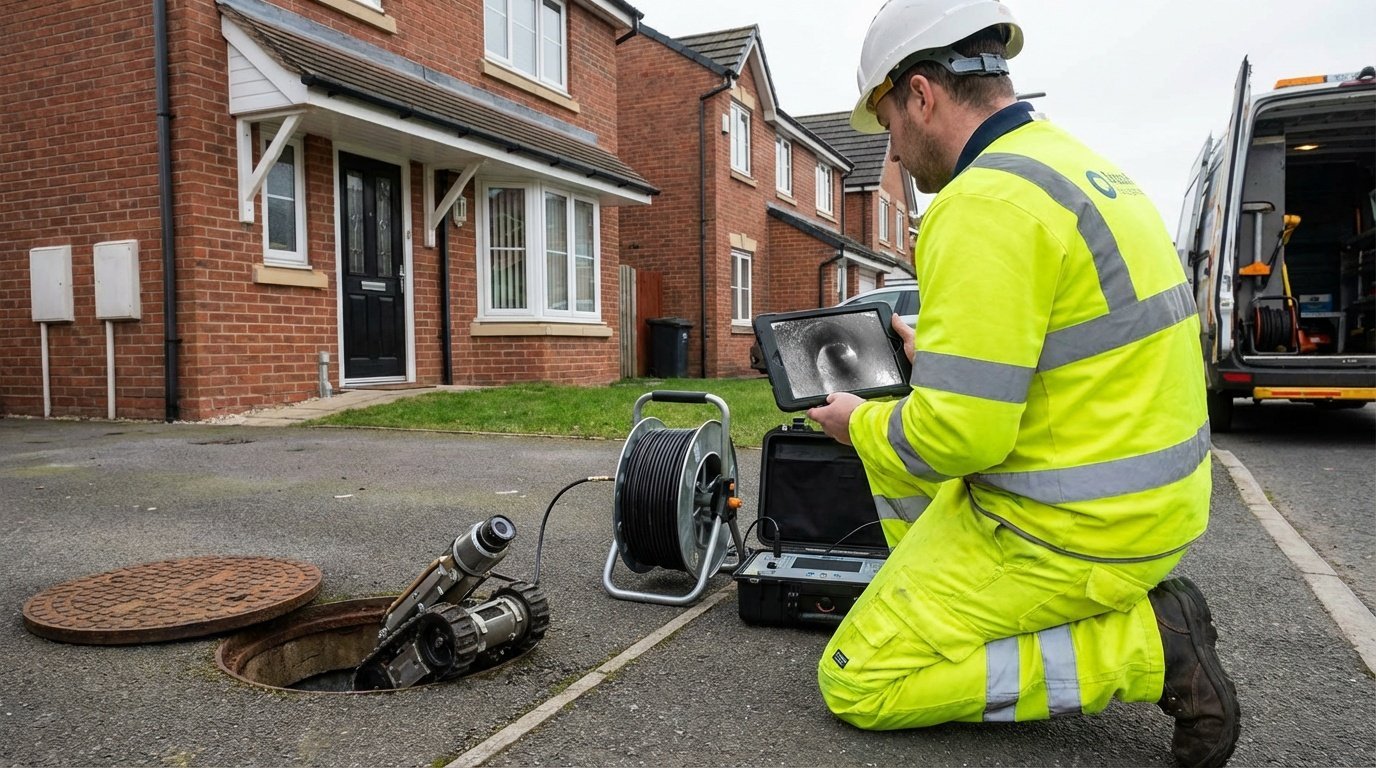
A drainage survey (also called CCTV drain survey or drain inspection) uses miniature waterproof cameras to inspect underground drainage pipes. The camera travels through pipes, sending live video to a monitor where our expert surveyors assess condition.
What drainage surveys cover:
- Private drains: Pipes within your property boundary serving your property only
- Shared drains: Pipes serving multiple properties (now often water company responsibility post-2011 transfer)
- Access chambers: Manholes and inspection chambers
- Connection to main sewer: Where private drains join public system
What's NOT usually covered:
- Public sewers (water company responsibility)
- Internal plumbing above ground
- Surface water drains (sometimes included in comprehensive surveys)
- Soakaways (separate inspection required)
Our team of London surveyors works with specialist drainage contractors to arrange comprehensive CCTV surveys when recommended during building surveys.
When You Should Get a Drainage Survey
Our chartered building surveyors recommend drainage surveys in these situations:
1. Older Properties (Pre-1960)
High priority: Properties built before 1960 often have clay or pitch-fiber pipes with limited lifespan.
Common problems in old drains:
- Clay pipes: Crack, joint separation, tree root penetration
- Pitch-fiber pipes: Delaminate and collapse (particularly 1950s-1970s)
- Cast iron: Corrode internally
- Poor installation: Inadequate falls causing blockages
Victorian and Edwardian properties in London frequently have original 100+ year old drains nearing end of life. CCTV surveys identify problems before purchase, allowing negotiation or informed decision-making.
2. Signs of Drainage Problems
Essential if you notice:
- Slow draining: Sinks, baths, toilets draining slowly
- Bad odors: Persistent drainage smells inside or outside
- Gurgling sounds: From toilets or drains when others used
- Damp patches: On external walls near ground level
- Lush grass patches: Unusually green areas possibly indicating leaking drains
- Subsidence cracks: Leaking drains can cause ground movement
- Rodent activity: Rats enter through damaged drains
Our expert surveyors identify these warning signs during property surveys and recommend specialist drainage investigations.
3. Trees Near Drainpipes
Major risk factor: Trees and large shrubs seeking moisture send roots into drainage pipes.
High-risk trees near drains:
- Willows (up to 40m root spread)
- Poplars (up to 30m root spread)
- Oak trees (large root systems)
- Ash, elm, sycamore
If mature trees are within 10-15 meters of the property, drainage surveys are wise. Root ingress causes blockages and pipe damage costing thousands to repair.
4. Suspected Subsidence
Leaking drains erode soil beneath foundations, causing subsidence:
- CCTV surveys identify drain leaks
- Essential if cracks suggest ground movement
- Insurance companies often require drainage surveys for subsidence claims
Our RICS surveyors recommend drainage surveys alongside structural assessments when subsidence is suspected.
5. Before Extensions or Conversions
Before major building work:
- Check existing drainage adequacy
- Identify drain locations (avoid building over them)
- Assess whether upgrades needed
- Required for building regulations compliance
6. When Building Survey Recommends
If our chartered building surveyors identify concerns during property surveys, we recommend specialist drainage investigations. Trust professional advice—drainage surveys cost £200-£400 but can identify £5,000-£20,000 repair needs.
The CCTV Drainage Survey Process
Understanding the process helps you know what to expect:
Step 1: Access and Preparation (30 minutes)
Drainage engineers locate access points:
- External inspection chambers (manholes)
- Rodding points
- Sometimes removing toilets for direct access
They map drainage layout, identifying where pipes run and connect.
Step 2: Camera Insertion (1-2 hours)
Miniature waterproof camera on flexible rod or crawler unit:
- Small diameter pipes (100mm): Push-rod cameras
- Larger pipes: Motorized crawler units with lights
- Live video feed: Engineer watches monitor
- Recording: Video recorded for detailed review
Camera travels through entire accessible drainage system, inspecting every pipe section.
Step 3: Inspection and Identification
Engineers assess:
- Pipe material: Clay, plastic, cast iron, pitch-fiber
- Pipe condition: Cracks, damage, deterioration
- Blockages: Current or potential obstructions
- Joint condition: Separations, misalignments
- Root ingress: Tree roots penetrating pipes
- Structural defects: Collapsed sections, sagging
- Connections: Proper connections to main system
Step 4: Report Preparation (Within 48 hours)
Comprehensive report includes:
- Drainage plan: Layout showing pipe locations and connections
- Video recording: Complete footage (DVD or digital file)
- Still images: Photographs of defects
- Defect schedule: List of problems with severity ratings
- Recommendations: Required repairs or maintenance
- Cost estimates: Approximate repair costs
Our team of London surveyors reviews drainage reports alongside building surveys, providing clients with comprehensive property assessments.
Common Drainage Problems Surveys Reveal
CCTV drainage surveys frequently identify these issues:
1. Tree Root Ingress
Most common problem: Tree roots penetrate joints seeking moisture.
Progression:
- Small roots enter through tiny cracks/joints
- Roots grow larger inside pipe
- Eventually block pipe completely
- Cause pipe cracking and separation
Solutions:
- Root cutting: £150-£400 (temporary—roots regrow)
- Pipe lining: £80-£150 per meter (creates seamless internal pipe)
- Excavation and replacement: £1,000-£3,000+ per section
2. Cracked or Broken Pipes
Physical damage to pipes from:
- Ground movement
- Vehicle traffic over shallow pipes
- Age and deterioration
- Frost damage
- Poor installation
Consequences: Leaking drains cause ground erosion, potential subsidence, foul odors.
Repairs: £800-£2,500 per damaged section depending on location and access.
3. Joint Separation
Clay pipes joined with cement/mortar separate over time:
- Allows soil infiltration
- Causes blockages as debris accumulates
- Permits root entry
Solutions: Pipe lining effective for multiple separated joints (£80-£150/meter).
4. Collapsed Pipes
Complete pipe failure:
- Pitch-fiber pipes delaminate and collapse
- Old clay pipes crushed by ground pressure
- Serious issue requiring immediate attention
Repairs: £2,000-£5,000+ for excavation, replacement, and reinstatement.
5. Incorrect Falls/Gradients
Drains need minimum gradient (typically 1:40 to 1:80) for proper flow:
- Flat sections allow waste to accumulate
- Back-falls (wrong direction) cause persistent problems
- Common in DIY installations or very old systems
Solutions: Sometimes pipe replacement necessary (costly), occasionally rectifiable with modified connections.
6. Displaced Joints
Pipe sections moved out of alignment:
- Creates "lips" inside pipe catching debris
- Causes recurring blockages
- Results from ground movement
7. Scale and Deposits
Accumulated material inside pipes:
- Fat deposits (grease solidified)
- Limescale buildup
- Reduces pipe diameter
- Increases blockage risk
Solutions: High-pressure jetting (£100-£300) removes deposits.
Costs of Drainage Surveys
Typical drainage survey costs in London:
Standard Residential Property:
- CCTV survey only: £200-£350
- Survey with report: £300-£450
- Complex/large properties: £450-£700
Additional Services:
- Drain tracing: £150-£300 (locating hidden drains)
- Drain unblocking first: £100-£200 (if pipes blocked preventing camera access)
- Soakaway testing: £200-£400 (separate test for surface water drainage)
Factors Affecting Cost:
- Property size and drain length
- Number of access points
- Accessibility challenges
- Report detail required
- Urgency (emergency surveys cost more)
Our expert surveyors recommend drainage surveys when benefits justify costs. £350 survey identifying £5,000 repair need provides excellent value, allowing price renegotiation or informed decision about purchase.
Interpreting Drainage Survey Results
Understanding what survey results mean:
Severity Ratings:
Most reports use color-coded severity system:
- Green/Low: Minor issues, no immediate action needed
- Amber/Medium: Issues requiring attention within 1-2 years
- Red/High: Serious problems needing immediate repair
When to Walk Away:
Consider not proceeding if:
- Multiple collapsed pipe sections
- Extensive root damage throughout system
- Complete system replacement needed (£10,000-£30,000+)
- Drains in wrong locations for building regulations compliance
- Shared drains with major problems and uncooperative neighbors
When to Negotiate:
- Limited damage (1-2 sections need repair)
- Root ingress treatable with lining
- Repairs estimated under £5,000
- Clear solutions available
Request price reduction covering repair costs plus contingency, or ask seller to complete repairs before completion.
Drainage Repair Options and Costs
Modern repair methods avoid extensive excavation:
Drain Lining (No-Dig Solution)
Method: Resin-soaked liner inserted into damaged pipe, inflated, and cured, creating new pipe inside old one.
Advantages:
- No excavation needed
- Completed in hours
- Minimal disruption
- 50+ year lifespan
- Seals cracks, joints, root entry points
Cost: £80-£150 per meter (much cheaper than excavation)
Limitations: Can't fix collapsed pipes or extreme damage.
Patch Repairs
Small localized damage repaired with resin patches: £300-£800 per repair.
Excavation and Replacement
Traditional method for severe damage:
- Dig down to pipe
- Replace damaged section
- Backfill and reinstate surface
Cost: £1,000-£3,000 per section plus reinstatement (paving, landscaping).
Maintaining Your Drainage System
Prevention is cheaper than cure. Our chartered building surveyors recommend:
Do:
- Use drain guards to catch debris
- Pour boiling water down drains weekly
- Have drains cleared every 18-24 months (£80-£150)
- Dispose of fats properly (bin, not sink)
- Keep inspection chambers accessible
- Address slow drainage promptly
Don't:
- Pour fat/grease down drains
- Flush wet wipes (even "flushable" ones)
- Put food waste down sinks without proper disposal units
- Plant trees within 10m of drains
- Ignore warning signs
Insurance and Drainage
Most home insurance policies cover:
- Sudden drain damage
- Blockage clearance (sometimes with excess)
Policies don't usually cover:
- Gradual deterioration
- Lack of maintenance
- Repairs to damaged pipes themselves
Specialist drain insurance available: £100-£200 annually covers repairs and clearance.
Need a Drainage Survey?
Our RICS surveyors can arrange specialist drainage inspections alongside building surveys
Discuss Your Requirements