Japanese Knotweed: Complete Guide for London Property Buyers
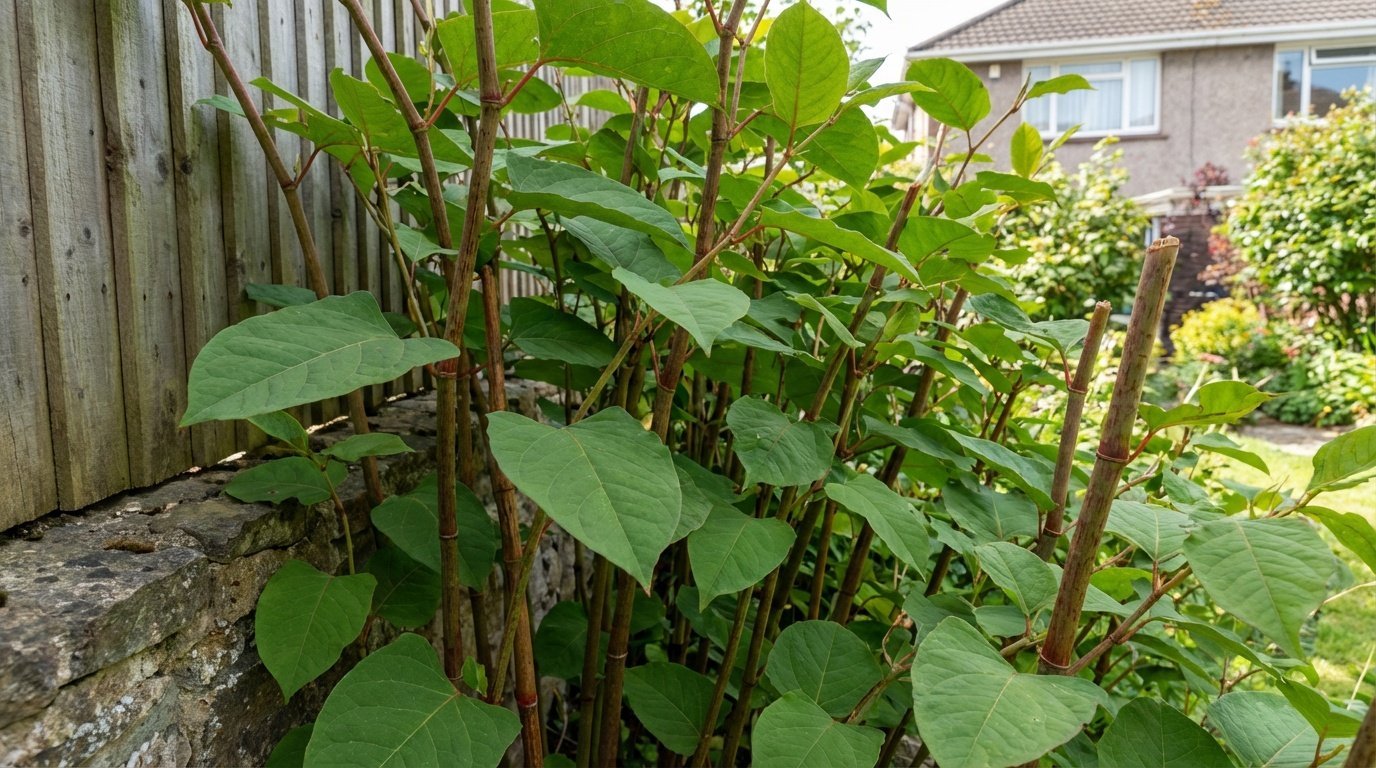
Japanese knotweed is one of the most serious issues London surveyors identify during property surveys, potentially affecting property sales, mortgages, and costing thousands to eradicate. Our chartered building surveyors explain how to identify this invasive plant, understand its impact on property transactions, and navigate the complex legal and financial implications for homebuyers.
Finding Japanese knotweed on or near a property you want to buy can be devastating. Mortgage lenders often refuse loans, sellers may face legal action for non-disclosure, and eradication costs run into thousands. But with proper professional advice from RICS surveyors, knotweed problems can be managed. This comprehensive guide explains everything London property buyers need to know.
What is Japanese Knotweed?
Japanese knotweed (Fallopia japonica) is an invasive perennial plant introduced to Britain in the 1840s as an ornamental garden plant. It's now illegal to plant or allow it to spread in the wild under the Wildlife and Countryside Act 1981.
Why it's a problem:
- Grows extremely rapidly (up to 10cm per day in peak season)
- Spreads aggressively through underground rhizome networks
- Can grow through concrete, tarmac, and building foundations
- Damages drains, paths, patios, and property structures
- Almost impossible to eradicate without professional treatment
- Severely affects property values and mortgageability
Our team of London surveyors regularly encounter Japanese knotweed during property surveys. Early identification is crucial—the longer it's left untreated, the more expensive and complex eradication becomes.
How to Identify Japanese Knotweed
Japanese knotweed appears different throughout the year. Our expert surveyors look for these identifying features:
Spring (March-May):
- Shoots: Red/purple asparagus-like shoots emerge from soil
- Growth: Rapid vertical growth beginning
- Young leaves: Rolled, dark red tinged leaves
Summer (June-August):
- Stems: Bamboo-like hollow stems with purple speckles
- Leaves: Shield or shovel-shaped, 10-15cm long, with flat base
- Leaf arrangement: Zig-zag pattern up stem
- Height: Can reach 2-3 meters tall
- Flowers: Clusters of creamy-white flowers appear late summer
Autumn (September-November):
- Leaves: Turn yellow before dying back
- Stems: Begin to die, turning brown
- Seeds: Small winged seeds (though knotweed rarely reproduces from seed in UK)
Winter (December-February):
- Above ground: Dead brown canes standing 1-2 meters
- Below ground: Rhizomes remain alive and dormant
- Visual clue: Stands of dead brown stems indicate knotweed location
Common misidentifications: Russian vine, bindweed, broadleaf dock, and ornamental bamboos are often confused with Japanese knotweed. Our chartered surveyors have extensive experience distinguishing knotweed from similar plants—accurate identification is crucial before expensive treatment programs begin.
How Japanese Knotweed Damages Properties
The damage potential is real, though sometimes exaggerated. Our RICS surveyors explain the actual risks:
Direct Structural Damage:
- Foundations: Can exploit existing cracks and weaknesses (rarely causes initial damage to sound foundations)
- Drains and pipes: Rhizomes penetrate damaged drainage systems, causing blockages
- Hard surfaces: Grows through tarmac, paving, and patios, causing lifting and cracking
- Cavity walls: Can grow into wall cavities through mortar gaps
- Outbuildings: Damages garden sheds, garages, and boundary structures
Important context: Japanese knotweed exploits existing weaknesses rather than damaging sound structures. A properly built modern property with intact foundations and good drainage is at lower risk than older properties with existing defects. However, even the risk of damage is enough to deter mortgage lenders and buyers.
Indirect Impacts:
- Property devaluation: 5-15% reduction in value if knotweed present
- Mortgage refusals: Many lenders won't lend on affected properties
- Increased insurance premiums: Specialist insurance required
- Legal liability: Can be sued if knotweed spreads to neighboring properties
- Disposal costs: Contaminated soil must go to licensed landfill (£50-£100+ per ton)
Mortgage and Lending Implications
Japanese knotweed severely affects mortgage applications. London surveyors help buyers understand lender requirements:
The 7-Meter Rule:
Most mortgage lenders apply a 7-meter rule from property boundaries:
- Within 7 meters of the property: Most lenders refuse mortgages outright
- 7+ meters away: Some lenders will lend if treatment plan in place
- On neighboring property: Lenders may still refuse if within 7 meters of boundary
Why 7 meters? Knotweed rhizomes typically spread 7 meters horizontally from visible growth (though can occasionally spread further). Lenders use this as a safety margin.
Lender Requirements for Approval:
If knotweed is present but lenders will consider lending, they typically require:
- Professional treatment plan: From PCA-registered specialist contractor
- Insurance-backed guarantee: Minimum 10-year guarantee covering recurrence
- Regular monitoring: Annual inspections and herbicide application
- Evidence of treatment: Documentation of work commenced
- Valuation reduction: Mortgage amount reduced to reflect treatment costs
Even with all requirements met, many lenders simply refuse knotweed-affected properties. Our chartered building surveyors recommend checking your lender's policy before committing to a purchase.
Treatment Costs and Methods
Professional eradication is expensive and time-consuming. Our team of London surveyors explains the realistic costs:
Herbicide Treatment (Most Common):
Method: Specialist herbicides injected into stems or applied to leaves over multiple years. Most common approach for domestic properties.
Duration: 2-5 years typically (minimum 3 years for insurance-backed guarantees)
Costs:
- Small infestation (10m²): £1,500-£2,500
- Medium infestation (25m²): £2,500-£4,000
- Large infestation (50m²+): £4,000-£8,000+
Advantages: Less disruptive, more affordable, suitable for most domestic situations
Disadvantages: Takes years to complete, requires annual visits, not suitable if construction work needed immediately
Excavation and Removal:
Method: Dig out all contaminated soil (rhizomes can extend 3+ meters deep) and remove to licensed landfill. Replace with clean soil.
Duration: Can be completed in days/weeks
Costs:
- Small area (10m²): £5,000-£10,000
- Medium area (25m²): £10,000-£20,000
- Large area (50m²+): £20,000-£50,000+
Advantages: Immediate removal, allows construction work to proceed
Disadvantages: Extremely expensive, highly disruptive, risk of spreading during excavation
Burial On-Site:
Method: Dig out contaminated soil and bury it on-site in a properly constructed cell lined with root barrier membrane.
Cost: £3,000-£15,000 depending on volume
Advantages: Cheaper than removal (no disposal costs)
Disadvantages: Requires sufficient space, ongoing monitoring needed, restrictions on future use of burial area
Guarantee Requirements:
For mortgage purposes, treatment must include:
- Insurance-backed guarantee: Minimum 10 years
- PCA-accredited contractor: Property Care Association membership
- Treatment schedule: Documented plan and timing
- Monitoring: Regular inspection and herbicide application
- Re-treatment provision: If knotweed returns within guarantee period
Our expert surveyors review treatment proposals to ensure they meet lender requirements and provide adequate protection.
Legal Obligations and Liability
Japanese knotweed creates significant legal obligations. Our chartered surveyors help clients understand their responsibilities:
Seller's Disclosure Obligations:
The TA6 Property Information Form (standard in all property sales) specifically asks about Japanese knotweed. Sellers must disclose:
- Whether knotweed is present or has been present
- Any treatment undertaken
- Insurance-backed guarantees held
Consequences of non-disclosure: Buyers can sue for misrepresentation if knotweed was present and not disclosed. Several high-profile cases have resulted in five- and six-figure damages awarded against sellers.
Real case example: In 2018, a homeowner in South London was awarded £32,000 damages after discovering Japanese knotweed that the seller knew about but failed to disclose. The buyer's mortgage was refused and they had to find alternative financing at higher cost.
Owner's Responsibility:
If you own property with Japanese knotweed, you must:
- Prevent it spreading to neighboring properties (duty of care)
- Not allow it to spread to the wild
- Dispose of knotweed waste properly (controlled waste regulations)
- Respond to neighbors' complaints about encroachment
Legal action by neighbors: Neighbors can sue if knotweed from your property damages theirs or reduces their property value. Claims for "private nuisance" and property damage have been successful in court.
Prosecution Risk:
Under the Wildlife and Countryside Act 1981, it's an offense to plant Japanese knotweed or cause it to grow in the wild. Penalties include:
- Unlimited fines
- Up to 2 years imprisonment
- Criminal record
Prosecution is rare but possible, particularly if knotweed is deliberately spread or improperly disposed of.
What Surveyors Check
Professional building surveys include checks for Japanese knotweed. Our RICS surveyors examine:
Visual Inspection:
- Gardens, boundaries, and accessible areas
- Signs of present or historical growth
- Dead canes from previous years (winter surveys)
- Neighboring properties (visible from boundary)
- Tell-tale patterns of damaged hard surfaces
Reporting:
- Location and extent of any knotweed found
- Distance from property structures
- Photographs for identification
- Recommendation for specialist survey if uncertain
- Estimated treatment costs
- Mortgage implications
Limitations: Surveyors aren't botanists. If we're uncertain about identification, we recommend specialist Japanese knotweed surveys from PCA-registered ecological consultants. These detailed surveys cost £250-£500 but provide definitive identification and treatment plans.
Buying a Property with Japanese Knotweed
Finding knotweed doesn't automatically mean walking away. Our team of London surveyors advises clients through these options:
Option 1: Negotiate Price Reduction
Request reduction covering:
- Full treatment costs (including insurance-backed guarantee)
- Loss of value (typically 5-15%)
- Inconvenience and risk
Example: Property priced at £500,000 with medium knotweed infestation might justify £20,000-£30,000 price reduction (£3,500 treatment + £16,500-£26,500 diminution in value).
Option 2: Seller Arranges Treatment
Request seller to:
- Instruct PCA-registered specialist
- Obtain insurance-backed guarantee
- Complete initial treatment before completion
- Transfer guarantee to you on purchase
This resolves mortgage issues but delays completion by months. Not all sellers will agree.
Option 3: Walk Away
If knotweed is extensive, treatment costs prohibitive, or you can't get a mortgage, walking away is often the sensible option. Don't let emotions override financial reality—our expert surveyors provide objective advice on when problems are manageable and when they're not.
Japanese Knotweed vs. Similar Plants
Several plants are commonly mistaken for Japanese knotweed. Accurate identification matters because unnecessary treatment costs thousands. Our chartered building surveyors help distinguish:
Russian Vine (Fallopia baldschuanica):
- Climbing plant (knotweed doesn't climb)
- Heart-shaped leaves (knotweed leaves are shield-shaped)
- Less invasive, not a mortgage issue
Bindweed:
- Climbing/trailing plant with white trumpet flowers
- Smaller leaves than knotweed
- Nuisance but not mortgage-affecting
Ornamental Bamboo:
- True bamboo (woody stems remain year-round)
- Different leaf shape and arrangement
- Can be invasive but not same legal implications
If in doubt, our RICS surveyors recommend specialist identification surveys. Don't assume—confirm with professionals before spending thousands on treatment.
Prevention and Early Action
If you already own property, preventing knotweed establishment is far easier than eradicating it:
Prevention Tips:
- Never accept free plants from areas where knotweed is present
- Check boundaries regularly for new growth
- Don't bring in topsoil from unknown sources (can contain rhizome fragments)
- Monitor neighboring properties and report concerns early
- Educate gardeners and contractors about knotweed identification
Early Action if Found:
- Stop mowing/strimming (spreads rhizome fragments)
- Don't dig or disturb the area
- Contact specialist contractor immediately
- Take photographs showing extent
- Check if neighbors are affected
Small infestations caught early cost far less to treat than established stands covering large areas.
Concerned About Japanese Knotweed?
Get a professional property survey from experienced RICS chartered surveyors who can identify and advise on knotweed issues
Book Your Survey Today