Leasehold vs Freehold: What London Property Buyers Must Know
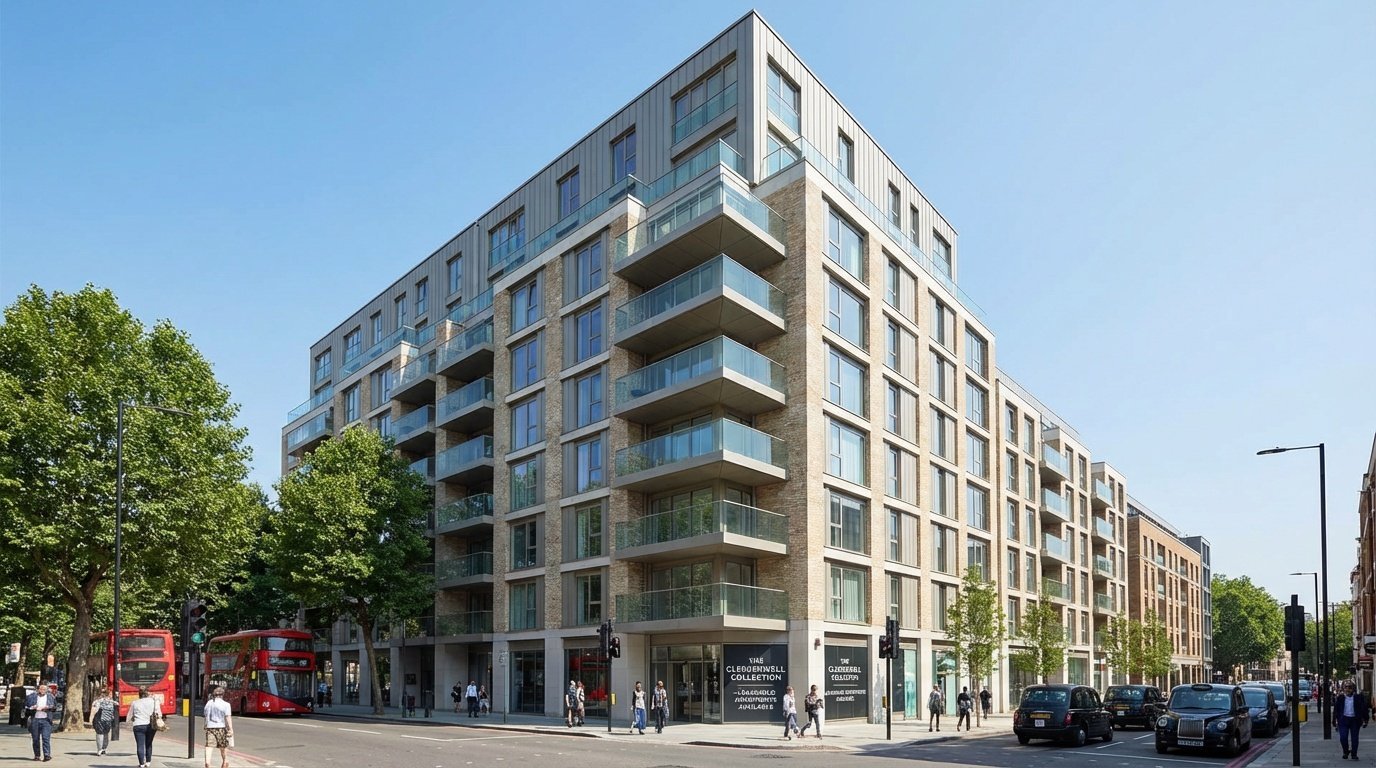
Understanding the difference between leasehold and freehold property is crucial when buying in London, where the majority of flats are leasehold. London surveyors help thousands of buyers navigate leasehold complexities every year, and our chartered building surveyors know exactly what issues to check before you commit to purchasing a leasehold property.
The distinction between leasehold and freehold affects everything from your monthly costs to your ability to make changes to your home, and even how easy it will be to sell in future. This comprehensive guide explains what every London property buyer needs to know about leasehold and freehold ownership.
What is Freehold Property?
Freehold is the simpler form of ownership. When you buy a freehold property, you own:
- The building itself
- The land it sits on
- Everything indefinitely (there's no time limit)
Complete control: As a freeholder, you have complete control over your property (subject to planning permission and building regulations). You can extend, renovate, or alter as you wish. There are no ground rent payments, no service charges to a landlord, and no lease to worry about expiring.
Common freehold properties: Houses are typically freehold in London, though not always. Our RICS surveyors occasionally see houses sold as leasehold, which requires careful consideration before purchase.
What is Leasehold Property?
Leasehold is more complex. When you buy a leasehold property, you're actually buying the right to occupy the property for a specified number of years—the lease length. You own the property but not the land underneath or, in most cases, the building structure.
Key Leasehold Components:
1. The Freeholder (Landlord): Owns the building and land. Responsible for maintaining the structure, common areas, and managing the building. May be an individual, company, or residents' association.
2. The Leaseholder (You): Owns the right to occupy your specific flat for the lease duration. Responsible for maintaining the interior of your property.
3. Lease Length: The number of years remaining on your lease. Original leases in London were typically 99, 125, or 999 years. Every year that passes, one year drops off the lease length.
4. Ground Rent: An annual fee paid to the freeholder. Can range from peppercorn (nominal) to several hundred pounds annually. Some leases include escalating ground rent clauses that dramatically increase payments—our chartered surveyors always check for these problematic clauses.
5. Service Charges: Your contribution to building maintenance, repairs, insurance, and management. Can be substantial in London—£1,500-£5,000+ annually is common for flats.
Common leasehold properties: Almost all flats in London are leasehold. Some houses (particularly ex-local authority or new builds) are also leasehold, which requires extra scrutiny from expert surveyors.
The Critical Importance of Lease Length
Lease length is the single most important factor affecting leasehold property value. Our team of London surveyors emphasize this in every leasehold survey because buyers often don't understand the severe financial implications of short leases.
The 80-Year Threshold: Why It Matters
When a lease drops below 80 years remaining, extending it becomes dramatically more expensive due to something called "marriage value." This is the increase in value created by extending the lease, and by law, you must pay the freeholder 50% of this marriage value.
Example costs:
- 95-year lease: Extension might cost £5,000-£8,000
- 75-year lease: Extension might cost £15,000-£25,000
- 65-year lease: Extension might cost £25,000-£40,000
- 50-year lease: Extension might cost £40,000-£80,000+
These figures vary by property value and location, but the pattern is clear: the shorter the lease, the exponentially more expensive the extension. RICS registered valuers can provide accurate lease extension valuations for your specific property.
Mortgage Lender Requirements
Most mortgage lenders in London won't lend on properties with lease lengths below certain thresholds:
- Below 75 years: Many lenders refuse mortgages
- 75-85 years: Some lenders will lend but may require higher deposits
- Below 30 years at end of mortgage term: Most lenders require the lease to outlast the mortgage by at least 30 years
This affects not just you, but future buyers when you come to sell. Our chartered building surveyors help clients understand whether a short lease makes a property unmortgageable and therefore very difficult to sell.
Our Surveyors' Recommendation
Aim for 85+ years minimum. Ideally, buy properties with 95+ years remaining, or budget for an immediate lease extension if buying something shorter. Never buy below 70 years without expert advice from RICS surveyors and full understanding of extension costs.
Understanding Service Charges
Service charges are one of the biggest ongoing costs of leasehold ownership, yet many first-time buyers underestimate them. These annual fees cover your share of:
- Building insurance
- Communal area maintenance (halls, lifts, gardens)
- External repairs and decorations
- Cleaning services
- Managing agent fees
- Reserve fund contributions for major works
Typical Service Charge Levels in London
Basic purpose-built blocks: £1,200-£2,000 per year
Modern developments with lifts/gym/concierge: £2,500-£5,000+ per year
Luxury developments: £5,000-£15,000+ per year
Period conversions: £1,500-£3,500 per year
These are estimates—our London surveyors review actual service charge history when conducting property surveys, which provides real figures for the specific building.
Major Works and Section 20 Notices
Beyond regular service charges, leaseholders can be hit with major works bills for significant building repairs:
- Roof replacement: £3,000-£15,000 per flat
- External redecoration: £2,000-£8,000 per flat
- Lift replacement: £5,000-£10,000 per flat
- Fire safety upgrades: £5,000-£50,000+ per flat (particularly post-Grenfell)
Section 20 consultation: For major works over £250 per leaseholder, freeholders must consult residents under Section 20 of the Landlord and Tenant Act. This gives you rights to challenge costs, but doesn't eliminate your obligation to pay your share.
What our surveyors check: We review service charge accounts, identify upcoming major works, check reserve fund levels, and assess building condition to warn you about potential future costs. This is crucial information that affects affordability.
Ground Rent: Small Payment, Big Problems
Ground rent sounds innocuous—often £100-£500 per year—but problematic ground rent clauses cause serious issues:
Doubling Ground Rent Clauses
Some leases include clauses where ground rent doubles every 10-25 years. What starts as £250 annually becomes:
- After 10 years: £500
- After 20 years: £1,000
- After 30 years: £2,000
- After 50 years: £8,000
Properties with doubling ground rent are virtually unsaleable—mortgage lenders refuse them. Our RICS surveyors have seen buyers pull out of purchases after discovering these clauses in the lease.
RPI-Linked Ground Rent
Ground rent linked to the Retail Price Index (RPI) is more reasonable, increasing gradually with inflation. However, you still need to budget for increases over time.
Peppercorn Ground Rent
The best scenario is "peppercorn" ground rent—a nominal amount (£1 per year or similar) with no increases. Many modern leases now include peppercorn ground rent following government pressure on developers.
Our recommendation: Avoid any property with doubling ground rent clauses. Accept RPI-linked or peppercorn ground rent. Our chartered building surveyors always review ground rent provisions in leasehold surveys.
Lease Extension: How It Works
If you own a flat with a lease under 85-90 years, you should consider extending it. Here's how the process works:
Legal Right to Extend
After owning your leasehold property for two years, you have the legal right to extend your lease by 90 years and reduce ground rent to peppercorn (zero). This is governed by the Leasehold Reform, Housing and Urban Development Act 1993.
The Extension Process
Step 1: Valuation - Instruct RICS registered valuers to determine the premium (cost) for extending your lease. This considers your property value, current lease length, and ground rent.
Step 2: Serve Notice - Your solicitor serves formal notice on the freeholder stating your intention to extend and your proposed premium.
Step 3: Negotiation - The freeholder usually counters with their own valuation. Negotiation follows, often lasting several months.
Step 4: Agree or Tribunal - Either you agree on a premium, or the matter goes to the First-tier Tribunal (Property Chamber) for determination.
Step 5: Complete Extension - Once the premium is agreed/determined, you pay it plus the freeholder's reasonable legal and valuation costs (typically £1,500-£3,000), and a new lease is granted.
Total Costs to Budget
- Premium to freeholder: £5,000-£50,000+ (depends on lease length and property value)
- Your surveyor's valuation: £500-£1,000
- Your solicitor: £1,500-£3,000
- Freeholder's costs: £1,500-£3,000
Timeline: Expect 6-12 months from start to completion. Our team of London surveyors can recommend specialist solicitors experienced in lease extensions.
Share of Freehold: Best of Both Worlds?
Some leasehold properties offer "share of freehold"—where leaseholders collectively own the freehold. This combines benefits of both ownership types:
Advantages of Share of Freehold:
- No ground rent paid to external freeholder
- Control over service charges and building management
- Easier and cheaper to extend your lease (you negotiate with yourselves)
- No risk of unreasonable freeholder behavior
- Potential to convert to commonhold in future
Potential Drawbacks:
- Responsibility for building decisions and management
- Potential disputes with other freeholder-leaseholders
- Still need to arrange buildings insurance and maintenance
- Can be complicated if someone wants to sell their share
Our chartered surveyors recommend share of freehold properties, but we thoroughly check how well the existing owners manage the building. Poor management by leaseholders can create as many problems as a difficult external freeholder.
Leasehold Houses: A Special Warning
Leasehold houses are controversial and should be approached with extreme caution. While common historically (particularly for ex-local authority properties), new leasehold houses created since 2000 often have exploitative terms.
Problems with Leasehold Houses:
- Houses should typically be freehold—you own the building and land
- Many new leasehold houses have doubling ground rent clauses
- You may pay ground rent for no meaningful service in return
- Future buyers may struggle to get mortgages
- Properties can be difficult to sell
The government has now banned new leasehold houses (with few exceptions), but many existing ones remain for sale. Our RICS surveyors strongly recommend purchasing the freehold immediately if buying a leasehold house, or negotiating a much lower purchase price to reflect the leasehold disadvantage.
What Surveyors Check on Leasehold Properties
When conducting property surveys on leasehold buildings, our chartered building surveyors examine:
Lease Documentation:
- Remaining lease length
- Ground rent amount and escalation clauses
- Restrictions on alterations and use
- Repair obligations (yours vs freeholder's)
- Subletting permissions
- Pet restrictions
Service Charge Information:
- Current annual service charge
- Historical service charge accounts (3-5 years)
- Evidence of service charge increases
- Reserve fund levels
- Planned major works
- Outstanding Section 20 consultations
Building Management:
- Who manages the building (resident directors, management company)
- Quality of building maintenance
- Common area condition
- Evidence of disputes or problems
- Insurance arrangements
Physical Building Condition:
- Structural condition of the building
- Roof condition and age
- External decorations and maintenance
- Fire safety provisions
- Potential major works on the horizon
This comprehensive assessment helps you understand both the property condition and the full financial commitment of leasehold ownership. Our detailed reports flag any concerns with lease terms, service charges, or building condition.
Questions to Ask Before Buying Leasehold
Our team of London surveyors recommends asking these questions before committing to a leasehold purchase:
- What's the exact lease length remaining? Don't accept approximations—get the precise figure.
- What is the annual service charge? And has it increased significantly in recent years?
- What is the ground rent, and are there escalation clauses? Review the actual lease wording.
- Are there any planned major works? Check Section 20 notices and minutes from recent residents' meetings.
- How much is in the reserve fund? A healthy reserve fund (£10,000-£50,000 depending on building size) suggests good management.
- What's the building's insurance excess? High excesses (£5,000+) can cause problems if you need to claim.
- Are there restrictions I should know about? Subletting, pets, or business use restrictions can affect your plans.
- Can I see 3 years of service charge accounts? These reveal management quality and spending patterns.
Professional property surveys include review of these aspects, but you can request information earlier in the buying process to avoid wasting money on surveys for unsuitable properties.
The Future: Leasehold Reform
The UK government is reforming leasehold, with changes including:
- Ban on new leasehold houses (already implemented)
- Reducing ground rent to zero on new leases
- Making it cheaper and easier to extend leases
- Increasing standard lease extensions to 990 years
- Making it easier to buy freeholds
- Regulating managing agents
These reforms should improve the situation for leaseholders, but exact implementation timings are uncertain. Our RICS surveyors stay updated on legislative changes and advise clients accordingly.
Real-World Example: Why Lease Length Matters
Two-bed flat in Clapham, South London
Our chartered surveyors were instructed to survey two similar flats in the same development:
Flat A:
- Purchase price: £425,000
- Lease: 115 years remaining
- Ground rent: £250/year (fixed)
- Service charge: £1,800/year
Flat B:
- Purchase price: £395,000
- Lease: 68 years remaining
- Ground rent: £250/year (fixed)
- Service charge: £1,800/year
Analysis: Flat B was £30,000 cheaper, but our valuation showed extending the 68-year lease would cost approximately £35,000-£40,000. The buyer would also need to own the property for two years before having the legal right to extend.
Outcome: Our client chose Flat A. While more expensive initially, the long lease meant no immediate extension costs and much better mortgage terms. The "cheaper" flat would have cost more once extension costs were factored in.
This is why professional surveys from expert surveyors are essential for leasehold properties—the headline price doesn't tell the full story.
Making the Right Choice
Leasehold ownership is complex, but with proper advice, it can work well. The key is understanding exactly what you're buying before you commit. Our team of London surveyors provides comprehensive leasehold surveys that give you all the information you need.
Remember: a property is only good value if you understand all the costs and restrictions involved. Don't let the excitement of finding a home blind you to potential leasehold problems. Get a professional survey, review all documentation carefully, and make sure you can afford not just the purchase price, but the ongoing costs and any future lease extension.
Buying a Leasehold Property in London?
Get expert advice from experienced RICS surveyors who understand leasehold complexities
Book Your Leasehold Survey